ACP2026 Overview


Join us in Tokyo & Online for ACP2026!

March 22-27, 2026 | Tokyo International Forum & Toshi Center Hotel, Tokyo, Japan, and Online

The Asian Conference on Psychology & Behavioral Sciences (ACP) celebrates its 16th anniversary in 2026. It has proven to be a great opportunity for engaging in interdisciplinary dialogue, speaking to scholars, and learning from other experts from around the world and from a variety of academic disciplines. The interdisciplinary and international focus of the conference draws world-class speakers and keeps people coming back year after year.

Established scholars have commented that the format of the conference allows them to share insights with younger researchers, and to learn from the next generation. Many of the works presented at ACP have been on the cutting edge, demonstrating presenters’ deep mastery of complex topics and proposing important new ideas. ACP2026 will undoubtedly continue this tradition of being a great place to learn and to network. It gives attendees the chance to build an interdisciplinary and global perspective on the study of psychology and behavioral sciences.

For this year’s conference, the Programmme Committee has opted to leave the theme more open than in past years. There will be a number of streams and special sessions within the fields of psychology and behavioral sciences, but presenters will not be limited by any one, specific theme. It is hoped that this open format will encourage a broad range of submissions on a variety of related topics and encourage discussions across disciplines. ACP2026 will be held concurrently with The 12th Asian Conference on Aging & Gerontology (AGen2026) and the 12th Asian Conference on Education & International Development (ACEID2026). Registration for any conference allows access to all three.

Held in partnership with the IAFOR Research Centre at the Osaka School of International Public Policy (OSIPP) at Osaka University, this international conference encourages academics and scholars to meet and exchange ideas and views in a forum stimulating respectful dialogue. This event will afford an exceptional opportunity for renewing old acquaintances, making new contacts, networking, and facilitating partnerships across national and disciplinary borders.

In conjunction with our Global Partners, we look forward to extending you a warm welcome in 2026.

Key Information
  • Location & Venue: Held in Tokyo, Japan, and online
  • Dates: Sunday, March 22, 2026 ​to Friday, March 27, 2026
  • Early Bird Abstract Submission Deadline: September 18, 2025*
  • Final Abstract Submission Deadline: December 12, 2025
  • Registration Deadline for Presenters: January 22, 2026

*Submit early to take advantage of the discounted registration rates. Learn more about our registration options.

Back to Top


Speakers

To be announced

  • Evangelia Chrysikou
    Evangelia Chrysikou
    University College London, United Kingdom
  • William C. Frick
    William C. Frick
    University of Sharjah, United Arab Emirates
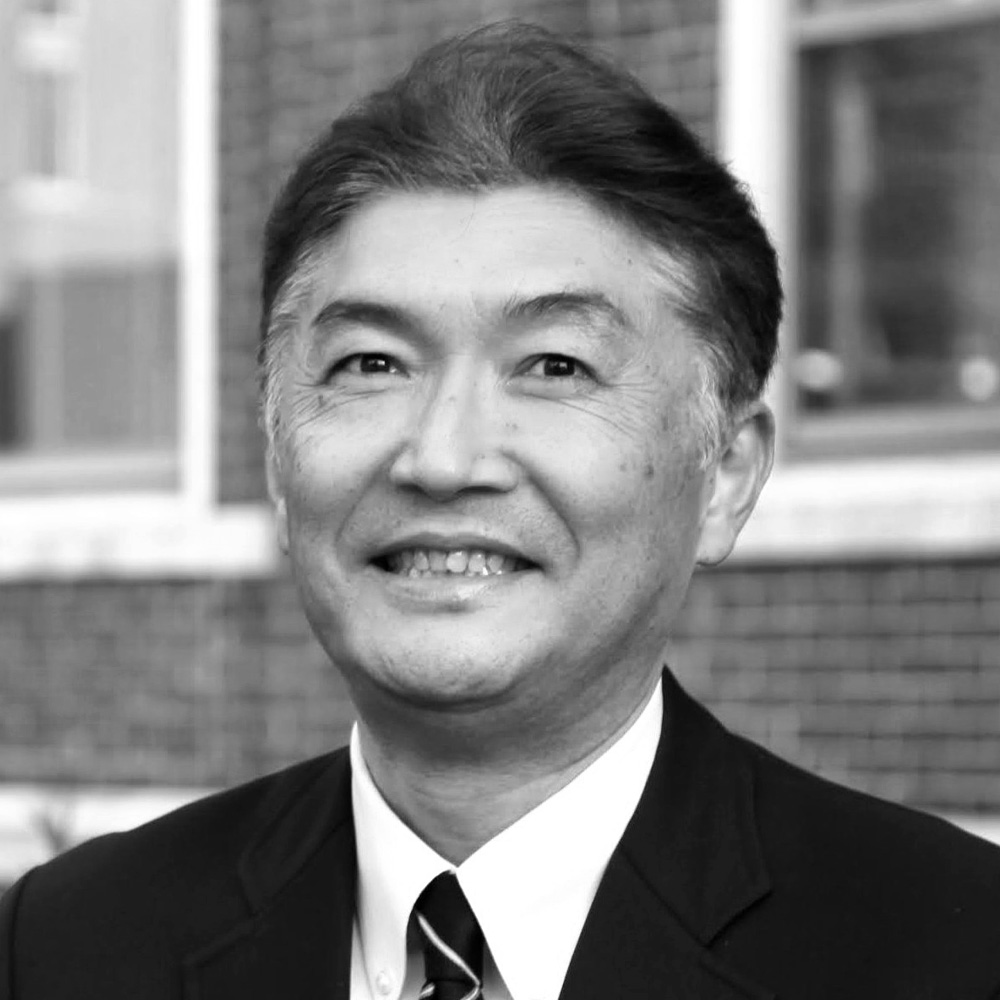
  • Kiichi Fujiwara
    Kiichi Fujiwara
    Juntendo University, Japan
  • Héctor García
    Héctor García
    Author, Japan
  • Seoyoun Kim
    Seoyoun Kim
    University of Michigan & NACDA Program on Aging, United States
  • Kathryn M. Lavender
    Kathryn M. Lavender
    National Archive of Computerized Data on Aging (NACDA), United States
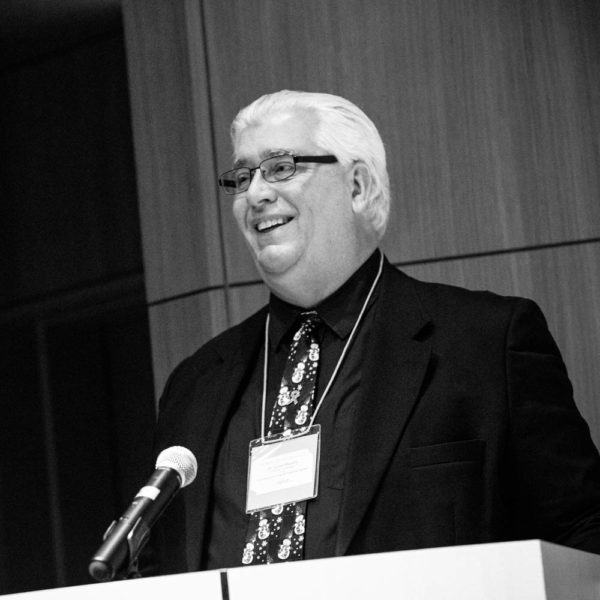
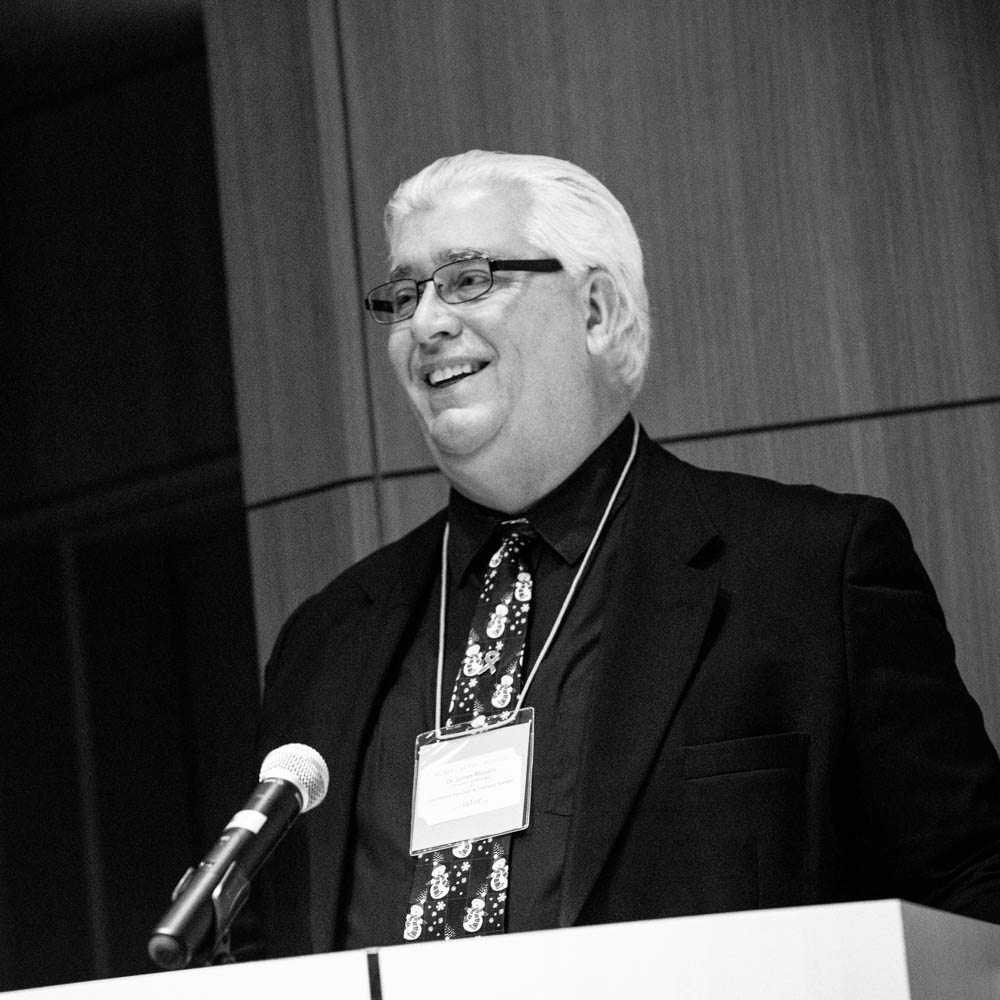
  • James W. McNally
    James W. McNally
    University of Michigan & NACDA Program on Aging, United States
  • Fathali M. Moghaddam
    Fathali M. Moghaddam
    Georgetown University, United States
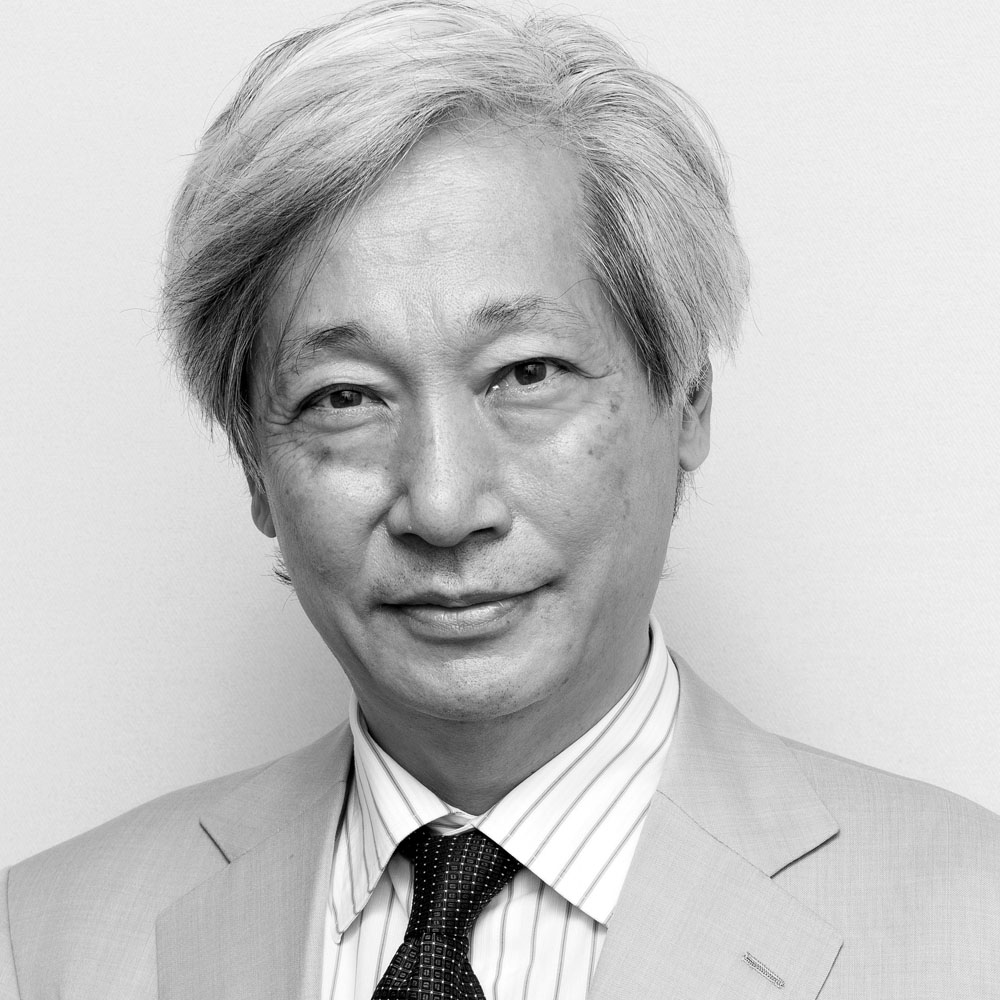
  • Hiroshi Ota
    Hiroshi Ota
    Hitotsubashi University, Japan
  • Lowell Sheppard
    Lowell Sheppard
    Never Too Late Academy & IAFOR, Japan

Back to Top


Programme

To be announced

  • Designing Care Futures: Built Environments, Health Systems, and Human-Robot Cohabitation in an Ageing World
    Designing Care Futures: Built Environments, Health Systems, and Human-Robot Cohabitation in an Ageing World
    Keynote Presentation: Evangelia Chrysikou
  • Longevity, Happiness, and the Art of Community: Lessons from Japan and Beyond
    Longevity, Happiness, and the Art of Community: Lessons from Japan and Beyond
    Panel Presentation: Lowell Sheppard
  • Understanding Cognitive Impairment: Placing Dementia Within a Realistic Framework
    Understanding Cognitive Impairment: Placing Dementia Within a Realistic Framework
    Panel Presentation: James W. McNally
  • Aging Data in the Digital Era: Leveraging NACDA Resources for Gerontological Research, Training, and Education
    Aging Data in the Digital Era: Leveraging NACDA Resources for Gerontological Research, Training, and Education
    Featured Workshop: Seoyoun Kim, Kathryn Lavender
  • Navigating Academic Publishing
    Navigating Academic Publishing
    Featured Workshop: William C. Frick
  • The Psychology of Democracy and Democratic Backsliding
    The Psychology of Democracy and Democratic Backsliding
    Keynote Presentation: Fathali M. Moghaddam

Back to Top


Conference Committees

Global Programme Committee

Dr Joseph Haldane, IAFOR and Osaka University, Japan, & University College London, United Kingdom
Professor Jun Arima, President, IAFOR & University of Tokyo, Japan
Professor Anne Boddington, Executive Vice-President and Provost, IAFOR & Middlesex University, United Kingdom
Professor Barbara Lockee, Virginia Tech, United States
Professor Donald E. Hall, Binghamton University, United States
Dr James W. McNally, University of Michigan, United States & NACDA Program on Aging
Dr Grant Black, Chuo University, Japan
Professor Dexter Da Silva, Keisen University, Japan
Professor Baden Offord, Centre for Human Rights Education, Curtin University, Australia & Cultural Studies Association of Australasia
Professor Frank S. Ravitch, Michigan State University College of Law, United States
Professor William Baber, Kyoto University, Japan

Members of the IAFOR Board of Directors and The Academic Governing Board are standing members of the Global Programme Committee.

Back to Top


Conference Programme Committee

Dr Joseph Haldane, The International Academic Forum (IAFOR), Japan
Dr Miriam Sang-Ah Park, Nottingham Trent University, United Kingdom
Professor Roberto Ravera, ASL1 of Imperia, University of Turin & University of Genoa, Italy
Dr Roswiyani Roswiyani, Tarumanagara University, Indonesia
Professor Monty P. Satiadarma, Tarumanagara University, Indonesia
Professor Dexter Da Silva, Keisen University, Japan
Professor Chi-Shing Tse, Chinese University of Hong Kong, Hong Kong
Dr Brian Victoria, Oxford Centre for Buddhist Studies, United States
Dr Mete Yasuji, Rikkyo University, Japan

Back to Top


ACP2026 Conference Review Committee


Dr Obasanjo Sanya Adegbite, Osun State University, Nigeria
Dr Natthawut Arin, Chiang Mai University, Thailand
Dr Lara Carminati, University of Twente, Netherlands
Dr Trinette Chang-colina, University of the East Manila, Philippines
Dr Krisana Chotratanakamol, Thammasat University, Thailand
Dr Utchaya Intharueang, Boromarajonani College of Nursing, Surin, Thailand
Dr Sirikul Karuncharernpanit, Boromarajonani College of Nursing, Chakriraj, Thailand
Dr Sara Tze Kwan Li, Hong Kong Metropolitan University, China
Dr Prapaporn Muangkaew, Nakhon Sawan Rajabhat University, Thailand
Dr Kanamon Pankaew, Boromarajonani College of Nursing Chakriraj, Praboromarajchanok Institute, Ministry of Public Health, Thailand
Dr Mohtaram Rabbani, Hong Kong University, Hong Kong
Dr Sumnima Rai, Sikkim University (CUS), India
Dr Miriam Simon, College of Medicine and Health Sciences, National University of Science and Technology, Oman
Dr Jutharat Thongsalab, Boromarajonani College of Nursing, Surin, Thailand
Professor Chi-shing Tse, The Chinese University of Hong Kong, Hong Kong
Dr Ko-chia Yu, National Taipei University, Taiwan

Now accepting applications

IAFOR's peer review process, which involves both reciprocal review and the use of Review Committees, is overseen by the Conference Programme Committee under the guidance of the International Academic Board (IAB). Review Committee members are established academics who hold PhDs or other terminal degrees in their fields and who have previous peer review experience.

If you would like to apply to serve on the ACP2026 Review Committee, please visit our application page.

Back to Top


IAFOR Research Centre (IRC) – “Innovation and Value Initiative”

The IAFOR Research Centre (IRC) is housed within Osaka University’s School of International Public Policy (OSIPP), and in June 2018 the IRC began an ambitious new “Innovation and Value Initiative”. Officially launched at the United Nations in a special UN-IAFOR Collaborative Session, the initiative seeks to bring together the best in interdisciplinary research around the concept of value, on how value can be recognised, and measured, and how this can help us address issues and solve problems, from the local to the global.

Back to Top

Evangelia Chrysikou
University College London, United Kingdom

Biography

Dr Evangelia Chrysikou, RIBA is Associate Professor within the Bartlett School of Sustainable Construction at University College London, United Kingdom, and Founder/Programme Director of the university’s MSc Healthcare Facilities. A multi-awarded RIBA architect and healthcare planner, Dr Chrysikou has published widely and won several prestigious grants and fellowships from international organisations, including Horizon 2020, UKRI, Wellcome, British Academy, Royal Society of New Zealand, and the Sasakawa Foundation. Her research interests lie at the spectrum of inclusion in relation to design, spanning across the disciplines of built environment, health, digital technologies and the social sciences. Dr Chrysikou is a member of the National Accessibility Authority, Hellenic Republic by invitation from the Greek Prime Minister, and a member of the Urban Land Institute’s (ULI) Life Sciences and Healthcare Council Leadership Committee. She was the coordinator of the Environment Section of the EIPonAHA, EU, and has worked as a consultant for international government bodies such as the Japanese MOFA, Peru Reconstruction Mechanism, and the British Government for projects related to healthcare planning and architecture. She was elected Vice-President of the Urban Public Health section of EUPHA in 2018.

Keynote Presentation (2026) | Designing Care Futures: Built Environments, Health Systems, and Human–Robot Cohabitation in an Ageing World
William C. Frick
University of Sharjah, United Arab Emirates

Biography

Dr William C. Frick is currently a Professor in the College of Public Policy at the University of Sharjah, United Arab Emirates, and a faculty developer with the Institute of Leadership in Higher Education. Previously, he was the Rainbolt Family Endowed Presidential Professor of Educational Leadership and Policy Studies in the Jeannine Rainbolt College of Education at the University of Oklahoma, United States. He is the founding director of the Center for Leadership Ethics and Change, an affiliate body of the international Consortium for the Study of Leadership and Ethics in Education (CSLEE) of the University Council for Educational Administration (UCEA). Professor Frick has assumed editorial roles and been appointed to editorial boards in a number of prominent registers including, and most recently, Leadership and Policy in Schools, the Journal of Educational Administration, and the Journal of School Leadership. Prior to his higher education academic roles, Professor Frick was a practitioner in common education public schools including building and district-level administration. He has been awarded Core Fulbright U.S. Scholar and Fulbright Public Policy Fellow assignments. A doctoral graduate of The Pennsylvania State University, United States, his research interests include the philosophy of administrative leadership, school system reform within urban municipality revitalisation efforts, and broader cultural studies exploring the intersection of identity and schooling. A coauthored book with Jacqueline A. Stefkovich titled Best Interests of the Student: Applying Ethical Constructs to Legal Cases in Education (2006) is now in its third edition with Routledge. He has served in multiple officer and representative roles for national professional associations such as AERA, UCEA, and the CSLEE as well as local schools and school systems.

Featured Workshop (2026) | Navigating Academic Publishing
Kiichi Fujiwara
Juntendo University, Japan

Biography

Kiichi Fujiwara is a Professor in the Graduate School of International Liberal Arts at Juntendo University and Professor Emeritus of the University of Tokyo, Japan. He taught International Politics at the Graduate Schools of Law and Politics and the Graduate School of Public Policy until 2022. Professor Fujiwara founded the Institute for Future Initiatives at the University of Tokyo, a university think-tank that engages in multidisciplinary approaches to global challenges. His publications include Remembering the War (2001), A Democratic Empire (2002), Is There Really a Just War? (2003), Peace for Realists (winner of the Ishibashi Tanzan award, 2005), International Politics (2007), Conditions of War (2013), A Destabilizing World (2020), and Predatory Imperialism (forthcoming). Professor Fujiwara is a commentator on international affairs and writes a monthly column for Asahi Shinbun. He is also a film buff, and serves as a film reviewer for the NHK.

Keynote Presentation (2026) | TBA
Héctor García
Author, Japan

Biography

Héctor García was born in Spain and worked at CERN in Switzerland before moving to Japan, where he has lived for over 21 years. During his fifteen years in Tokyo’s IT industry, he wrote the international bestseller Xcentric Culture: A Geek in Japan (2008) and later The Magic of Japan: Secret Places and Life-Changing Experiences (2020). He is also the co-author of the global hit Ikigai: The Japanese Secret to a Long and Happy Life (2016), which has been translated into 70 languages. Notably, Ikigai holds the distinction of being the most translated book ever originally written in Spanish. To date, he has published ten books on Japanese culture.

Panel Presentation (2026) | Longevity, Happiness, and the Art of Community: Lessons from Japan and Beyond
Seoyoun Kim
University of Michigan & NACDA Program on Aging, United States

Biography

Dr Seoyoun Kim is affiliated with ICPSR and the Population Studies Center at the Institute for Social Research within the University of Michigan, United States She is also the director of the NACDA Program on Aging. She holds a dual-title PhD in Sociology and Gerontology from Purdue University, United States. Her research lies at the intersection of social gerontology, epidemiology, multi-omics, and cardiovascular health. Dr Kim explores how social and environmental factors shape health outcomes, particularly in ageing populations. She examines the impact of paid and unpaid productive engagement on the well-being of older adults, shedding light on the social determinants of health in later life. Her research also integrates multi-omics approaches to unravel the complex interactions between genetic, epigenetic, and environmental influences on health and ageing.

Panel Presentation (2026) | Understanding Cognitive Impairment: Placing Dementia Within a Realistic Framework
Kathryn M. Lavender
National Archive of Computerized Data on Aging (NACDA), United States

Biography

Kathryn Lavender is the Data Project Manager for the National Archive of Computerized Data on Aging (NACDA), the aging archive at the Inter-University Consortium for Political and Social Research (ICPSR) at the Institute for Social Research, the University of Michigan, United States. NACDA is funded by the National Institute on Aging (NIA) at the National Institutes of Health (NIH). Ms Lavender helps to guide data producers on data management and data sharing in the realm of data on aging populations/gerontology; promotes secondary research resources for public use; and contributes to spreading knowledge about quality metadata and data discovery through NACDA, as well as through the DDI Alliance. Ms Lavender has been an ICPSR staff member for more than 15 years and has been managing NACDA for nearly half of that time.

Featured Workshop Presentation (2025) | Aging Data in the Digital Era: Leveraging NACDA Resources for Gerontological Research, Training, and Education

Previous Presentations

Featured Workshop Presentation (2025) | Aging Data: NACDA Resources for Gerontological Research, Training and Education
James W. McNally
University of Michigan & NACDA Program on Aging, United States

Biography

Dr James W. McNally is the Director of the NACDA Program on Aging, a data archive containing over 1,500 studies related to health and the aging life course. He is also a Senior Advisor for the National Institute on Aging (NIA), Division of Behavioral and Social Science (DBSR/ODRA). He currently does methodological research on the improvement and enhancement of secondary research data and has been cited as an expert authority on data imputation. Dr McNally has directed the NACDA Program on Aging since 1998 and has seen the archive significantly increase its holdings with a growing collection of seminal studies on the aging life course, health, retirement and international aspects of aging. He has spent much of his career addressing methodological issues with a specific focus on specialised application of incomplete or deficient data and the enhancement of secondary data for research applications. Dr McNally has also worked extensively on issues related to international aging and changing perspectives on the role of family support in the later stages of the aging life course.

Panel Presentation (2026) | Understanding Cognitive Impairment: Placing Dementia Within a Realistic Framework

Previous Presentations

Featured Presentation (2018) | Patterns of Depression Among Elderly Asian Immigrants to the United States Over the Past Decade
Fathali M. Moghaddam
Georgetown University, United States

Biography

Dr Fathali M. Moghaddam is an award-winning professor of psychology at Georgetown University, United States. He previously worked for the United Nations and McGill University, Canada. Dr Moghaddam has published extensively on intergroup relations, the psychology of democracy and dictatorship, and subjective justice. His most recent books include Political Plasticity: The Future of Democracy and Dictatorship (2023), The Psychology of Assimilation, Multiculturalism, and Omniculturalism (2024), The Psychology of Revolution (2024), and The New Immigration Challenge: A Psychological Exploration Toward Solutions (with M. Hendricks & R. Salas Schweikart, 2026). Professor Moghaddam currently holds an h-index of 67.

Keynote Presentation (2026) | The Psychology of Democracy and Democratic Backsliding
Hiroshi Ota
Hitotsubashi University, Japan

Biography

Dr Hiroshi Ota is a Professor in the Center for General Education at Hitotsubashi University, Japan, where he serves as Director of the Hitotsubashi University Global Education Program. His research primarily focuses on higher education policies and practices related to internationalisation and international student mobility from a comparative perspective. He has more than 150 publications in both Japanese and English, including 20 book chapters published by Springer, Routledge, SAGE, Multilingual Matters, and so on. Professor Ota serves as a vice president of the Japan Association of International Student Education (JAISE). In addition, he has been a visiting scholar for the Japan Student Services Organization (JASSO), a government agency that supports and promotes international education. He has also served on many selection and evaluation committees for international education and internationalisation projects organised by the Ministry of Education, Culture, Sports, Science and Technology (MEXT) in Japan and other international organisations. Professor Ota received his EdM in 2001 and a PhD. in Social Foundations of Education (Comparative and Global Studies in Education) in 2008 from the State University of New York at Buffalo, United States. He was also awarded a Fulbright Scholarship to study international education administration in the United States in 1996. He was invited by the Harvard-Yenching Institute to serve as a Visiting Scholar from 2023 to 24.

Keynote Presentation (2026) | Challenges and Opportunities for the Internationalization of East Asian Higher Education in a Rapidly Changing Environment
Lowell Sheppard
Never Too Late Academy & IAFOR, Japan

Biography

Mr Lowell Sheppard is an author, speaker, social entrepreneur, and Fellow of the Royal Geographical Society with a lifelong commitment to social impact, ethical leadership, and exploration. He has worked extensively with established NGOs and start-ups, most notably as the Founder of HOPE International Development Agency Japan. Under his leadership, HOPE-JP has grown to rank among the top 2% of charitable organizations in Japan, achieving the prestigious nintei tax-deductible certification. Mr Sheppard has been a longtime supporter and past speaker at IAFOR Conferences. He currently serves as the organisation’s Director of Development, seeking to expand the Global Fellowship Programme and scholarship opportunities. Mr Sheppard’s passion for social and environmental improvement projects has driven his career. For over two decades, Lowell has served as an informal advisor to companies and boards around the globe.

In pursuit of adventure and deeper insights into ageing and longevity, Mr Sheppard moved onto a sailboat five years ago and has been sailing full-time around Japan, embracing the life of a digital nomad and explorer. After spending fifteen months moored and deeply immersed in the Blue Zone culture of Okinawa, Mr Sheppard set out in 2025 to revisit a journey that had first shaped his life twenty-five years earlier: chasing Japan’s cherry blossoms from south to north. What began as a seasonal passage became a year-long quest, repeatedly visiting and revisiting Japan’s key longevity hotspots—rural prefectures, islands, and communities where people continue to live long, healthy, independent lives. Between these journeys, he regularly returned to his own ‘longevity laboratory’” a remote island village where he lives and observes daily community life at close quarters, blending slow travel, field research, and lived experience.

As an author, his book Never Too Late (Lion Hudson PLC, 2005), published in four languages, became the inspiration for his latest social enterprise, the Never Too Late Academy. His most recent book, Dare to Dream, was shortlisted for the UK Business Book of the Year Award in 2023.

Panel Presentation (2026) | Longevity, Happiness, and the Art of Community: Lessons from Japan and Beyond
Designing Care Futures: Built Environments, Health Systems, and Human-Robot Cohabitation in an Ageing World
Keynote Presentation: Evangelia Chrysikou

Population ageing represents not only a demographic or technological challenge, but fundamentally a design challenge. The built environment is not a passive backdrop to care; it actively shapes health, autonomy, behaviour, and social relations across the life course. Yet responses to ageing and vulnerability have often prioritised medical or technological solutions, while the spatial conditions of everyday life remain insufficiently addressed. This keynote integrates three interconnected domains: age-inclusive built environments, healthcare planning, and the emerging concept of human–robot cohabitation. Across hospitals, community facilities, and domestic settings, spatial design and health planning influence whether care environments promote dignity, resilience, and wellbeing, or reinforce dependency and exclusion. Effective planning therefore requires alignment between physical space, service models, and population needs.

Cohabitation is a particularly critical lens in the context of care robotics. Robots are not neutral machines: as they enter environments of vulnerability, they develop forms of agency, shape routines, influence human behaviour, and gradually reconfigure social norms. Coexistence becomes reciprocal: humans adapt to robots as much as robots adapt to humans. This process has direct implications for housing design, spatial organisation, ethics, and governance. By foregrounding cohabitation, this keynote advances an integrated, design-led agenda that positions architecture, health systems, and intelligent technologies as inseparable components of equitable and humane ageing futures.

Read presenter's biography
Longevity, Happiness, and the Art of Community: Lessons from Japan and Beyond
Panel Presentation: Lowell Sheppard

As Asia and the wider world confront rapidly aging populations, a pressing interdisciplinary question emerges: What makes life not only long, but happy, connected, and meaningful in its later stages? This group of distinguished panellists will share their perspectives on how community environments shape emotional well-being, psychological resilience, and functional independence well into advanced age. Drawing on research centred in Japan’s super-aging society, the panel explores how community-driven structures such as moai (模合) groups, neighbourhood support networks, exercise rituals, festivals, and intergenerational spaces directly contribute to late-life happiness. And how education, in the form of continued learning, teaching, mentoring, and curiosity, can help sustain life-long purpose and emotional and mental vitality.

The discussion will highlight the interplay between psychology, behaviour, purpose, and social connection. The panellists will show how these factors collectively influence a healthy lifespan by integrating perspectives from gerontology, psychology, behavioural science, education, and development studies. The session will offer insights into why older adults thrive in environments where belonging is strong, relationships are deep, and lifelong learning is encouraged, and how purpose and social identity protect against loneliness and cognitive decline. The panel will specifically discuss how lessons from Japan can inform policy, community design, education, and behavioural interventions across cultures, where long life is lived richly.

Read presenters' biographies
Understanding Cognitive Impairment: Placing Dementia Within a Realistic Framework
Panel Presentation: James W. McNally

The Diagnostic and Statistical Manual of Mental Disorders, 5th Edition (DSM-5) updated the definition of dementia in May 2013, during the American Psychiatric Association's annual meeting in San Francisco. Major neurocognitive disorder’ (MND) replaced the term ‘dementia’ in order to reduce stigma and to focus on the decline from a previous level of functioning rather than the deficit. The DSM-5 also allowed for the inclusion of dementias where other cognitive domains were affected first, such as in vascular or frontotemporal dementia. Unfortunately, the redefinition of dementia to MND allowed a broad reinterpretation of risks associated with ‘dementia’ to emerge in the research literature, often incorporating chronic health conditions or sensory disabilities as predictors of future dementia. Based upon these loose interpretations, recent estimates suggest that 40 percent or more of the current world's population will have dementia in the coming decades. This panel will place definitions of MND within the framework of a progressive neurological disease and ways we can intelligently address the needs of individuals facing cognitive impairment.

Read presenters' biographies
Aging Data in the Digital Era: Leveraging NACDA Resources for Gerontological Research, Training, and Education
Featured Workshop: Seoyoun Kim, Kathryn Lavender

The establishment and maintenance of sustainable, accessible data archives are critical to advancing gerontological research across national and international contexts. Robust data archives, such as the National Archive of Computerized Data on Aging (NACDA), empower researchers, educators, and students to maximise the return on costly data collection by enabling secondary analysis, replication studies, and interdisciplinary collaboration. Internally managed archival systems further promote equitable data distribution and research autonomy.

This workshop explores NACDA, the world’s largest publically accessible collection of ageing-related studies with over 1,600 longitudinal and cross-sectional datasets, demonstrating hands-on strategies for discovering, accessing, and implementing curated data in research and teaching. Whether you are developing a thesis, designing a curriculum, or conducting advanced inquiries, publicly available ageing datasets can catalyse innovation.

In today's rapidly evolving technological landscape, recent advancements in artificial intelligence (AI) are revolutionising data analysis and discovery. The integration of AI-driven tools alongside traditional archival practices enables researchers to identify novel patterns, automate complex analyses, and foster new avenues for collaboration across borders. The workshop will briefly discuss these technological possibilities and provide guidance on how the latest digital tools can enhance gerontological inquiry.

All conference attendees are welcome to join, engage with NACDA instructors, and learn how to harness the power of ageing data—now amplified by state-of-the-art technologies—for research, education, and global partnership.

Read presenters' biographies
Navigating Academic Publishing
Featured Workshop: William C. Frick

Publishing in peer-reviewed outlets is a central expectation of academic life. Yet many scholars, particularly early-career researchers and those working in resource-constrained or interdisciplinary contexts, receive limited formal training in how academic publishing actually works. This Continuous Professional Development (CPD) workshop is designed as a capacity-building session for conference participants seeking to strengthen their scholarly publishing practices across a range of formats, including peer-reviewed registers (journals), edited book chapters, monographs, and applied outputs such as consultation and advocacy reports.

The workshop offers a practical, demystifying overview of the academic publishing landscape, with attention to selecting appropriate outlets, aligning manuscripts with journal or publisher scopes, and understanding peer-review and editorial decision-making processes. Participants will be guided through common reasons for manuscript rejection, including issues of fit, originality, methodological rigor, theoretical and/or applied contribution, and clarity of argument. They will learn how these decisions are typically communicated by editors and reviewers. Particular emphasis will be placed on professional etiquette in responding to reviewers’ and editors’ comments, including strategies for revision, resubmission, and constructive engagement with critical feedback.

In addition, the workshop addresses broader considerations that shape successful publishing trajectories, such as ethical authorship practices, collaboration and mentoring, managing rejection and revision cycles, navigating impact and visibility, and balancing scholarly rigour with accessibility. The workshop will draw on real-world examples and reflective discussion, equipping participants with actionable knowledge, realistic expectations, and confidence to engage productively with academic publishing as an ongoing professional practice rather than a one-time achievement.

Read presenter's biography
The Psychology of Democracy and Democratic Backsliding
Keynote Presentation: Fathali M. Moghaddam

This presentation will discuss the psychology of democracy and democratic backsliding in two main parts: Part one will discuss the psychological foundations of democracy and dictatorship, while part two will explore pro-democracy solutions to the democratic backsliding we are currently experiencing in the 21st century. Democracy is not inevitable; in some respects, our psychological socialisation over thousands of years has been more in the context of dictatorships than democracies. In addition, the behavioural changes we need to make to achieve ‘actualised’ (fully developed) democracy are hindered by low political plasticity in certain domains, such as (1) leader-follower relations and authoritarian styles of leadership, and (2) certain aspects of group dynamics, such as collective reactions to perceived threats. The illustrative examples of our reactions to rapid large-scale migration and ‘sudden’ intergroup contact will be discussed. The conclusion of part one is that the psychological foundations of democracy are fragile and slow to develop. In part two, two proposals will be put forward regarding the role of psychological science in strengthening democracy, the first of which concerns nurturing the psychological characteristics of the democratic citizen, presenting ten psychological characteristics. The second proposal concerns developing omniculturalism, the active celebration of human commonalities, based on scientifically established evidence. It is argued that omniculturalism is especially compatible with actualised democracy.

Read presenter's biography